How Proper Drainage and Grading Prevent Cottage Driveways From Washing Out
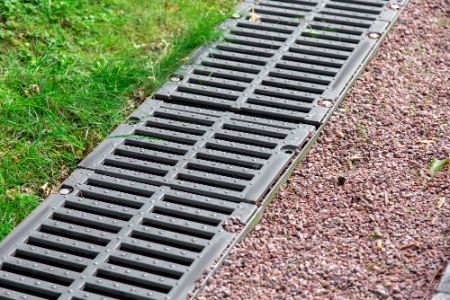
In Huntsville, ON, cottage driveways take a beating from spring thaw, summer cloudbursts, and fall leaf-clogged culverts. Water looks for the fastest path downhill, and if your driveway is in the way, it will take it. That’s why purpose-built grading and quality drainage are the real shields against washouts, ruts, and soft shoulders. When these systems work together, runoff leaves the drive quickly, filters into safe outlets, and your surface stays firm and passable after every storm.
Why Driveways Wash Out In Huntsville, ON
Freeze–Thaw Cycles And Spring Melt
Our long winters build thick frost that lifts and loosens base material. When March and April melt arrive, water can’t absorb into frozen ground, so it runs across the surface, carving channels through gravel and along the edges of asphalt. Add a warm rain on top of lingering snowbanks around Lake Vernon, Fairy Lake, or the Hidden Valley area, and flow speeds up. Without controlled paths, the water cuts where the base is weakest and carries fines downhill, hollowing the drive from the inside out.
Steep Grades, Curves, And Cross-Slope
Many Muskoka cottages sit on Canadian Shield slopes with winding drives. A drive that’s too flat across its width lets water sit; one that tilts toward the lake or cottage pushes runoff where it shouldn’t go. Tight curves also collect water along the inside edge. Over time, that standing water softens the subbase, so even a normal summer downpour can peel away gravel, expose fabric, or undermine asphalt edges near ditches on Ravenscliffe Road or similar hills.
Waterfront Lots, Ditches, And Culverts
Shoreline rules and common-sense stewardship mean you need to guide water gently to stable, vegetated areas. If ditches are shallow or culvert inlets are choked with leaves and needles, flow jumps the bank and cuts across the driveway. On the flip side, an oversized, unprotected outlet can dump fast-moving water that scours the toe of your drive. The result is the same: ruts, sink spots, and a rough ride that gets worse each storm.
What Proper Drainage Looks Like
Surface Grading That Moves Water
Good drainage starts at the top. A well-shaped surface sheds water both down the driveway and off to the sides in a controlled way. For gravel, a gentle crown helps water split and leave quickly, while paved drives often use a slight cross-slope toward a swale or catch basin. The goal is simple: get water off the wheel path fast and into safe, stable conveyance.
Subsurface Systems That Stay Invisible
Where surface shaping isn’t enough, subsurface tools pick up the slack. Perforated collector pipes wrapped in clean stone and fabric intercept water before it can saturate your base. Trench drains at garage aprons catch concentrated flow from roofs and uphill slopes. Filter fabrics and graded stone layers separate soils and keep fine particles from pumping up through the surface under traffic.
Safe Outlets And Stable Discharge
Every drop needs a destination. That might be a vegetated swale with a gentle slope, a rock energy-dissipation pad at an outlet, or a daylighted pipe that trickles into a stable area. In cottage country, think about trees, shorelines, and neighboring lots. Never direct runoff toward your cottage foundation or septic area, and never push it onto a neighbor’s property. A smart plan handles peak storms while still protecting the landscape you love.
- Ruts reappearing in the same spot after storms are a sign that water has no safe path.
- Soft shoulders that crumble underfoot point to trapped water near the edge.
- Standing water at the base of a hill signals insufficient cross-slope or a blocked outlet.
- Washed-out gravel at the bottom means flow is concentrating and speeding up.
- Silt streaks on asphalt show where sheet flow is routinely crossing the drive.
Grading That Protects Gravel And Asphalt Drives
For Gravel Drives
Gravel drives need a strong base that drains and a surface that sheds. A defined crown sends water to shallow, vegetated ditches that slow and spread flow. On steeper runs, intermittent water bars and well-placed cross-drains move water to the downhill side before it builds speed. Where the drive meets the municipal ditch, a clean, correctly sized culvert with armored inlets prevents the stream from eating away at the driveway toe.
For Paved Drives
Asphalt or paver surfaces look smooth, but they still rely on grading and drainage. Shallow swales along the high side collect sheet flow before it reaches the surface, while discreet catch basins at low points intercept water and send it to a stable outlet. Edge support is critical; reinforced shoulders and proper base thickness keep the pavement from cracking when soils get wet. Tie-in points at garages and walkways should include reliable collection so water never pools at thresholds.
Spring in Huntsville often brings rain on snow. That rapid melt can overwhelm a small or clogged culvert in just one afternoon. Clearing inlet debris before a storm and verifying your outlets flow to a stable, vegetated area helps prevent sudden washouts.
Maintenance That Keeps Systems Working
Even the best-built drainage needs simple, steady care. Think of it like snow tires: they do their job when the weather turns, but only if they’re in good shape. A quick seasonal routine protects your investment and keeps your driveway ready for weekend arrivals and winter plowing.
- Before spring melt, clear leaves and needles from swales, culvert inlets, and catch basins.
- After heavy rain, walk the drive and look for fresh silt lines, ponding, or new ruts.
- Top up displaced gravel and compact while the surface is moist to lock material in place.
- Trim vegetation that chokes ditches so water can move without backing up.
- Schedule a professional checkup to verify that outlets are stable and subsurface drains are flowing.
How Artisan Landscapes Muskoka Inc. Designs Driveway Drainage In Huntsville, ON
Every site is different. In Muskoka, we see bedrock outcrops, shallow soils, long shaded stretches, and quick elevation changes within a single driveway. Our team studies how water currently moves, how the frost behaves, and where we can safely send flow. Then we blend surface grading with targeted collection so water leaves fast and quietly, without tearing up your base or edging. If you want a deeper look at options, explore our approach to drainage and how it pairs with grading to keep your driveway intact through every season.
You don’t have to puzzle this out alone. Our local landscaping team understands Huntsville’s weather patterns, from July downpours to November freeze-ups, and we build systems that respect your shoreline and your neighbors. Avoid quick fixes that only move the problem downhill. A thoughtful plan lasts, looks natural, and protects the entire property.
Real-World Results You Can Feel
When drainage and grading work, you feel it the first time you drive in after a storm. Tires stay level, steering stays steady, and there’s no scraping at the crown or sinking at the apron. Snowplows glide instead of catching on ripples. Deliveries and guests reach the cottage without calling to ask where to park or how to dodge a soft spot. That peace of mind is the payoff of a system built for our climate and terrain.
Ready To Stop Washouts For Good?
Protect your cottage driveway with a custom plan that moves water the right way, in every season. Schedule a site visit with Artisan Landscapes Muskoka Inc. today at 705-783-4507 or start here: drainage.
MAKE YOUR OUTDOOR LIVING SPACE BEAUTIFUL WITH ARTISAN LANDSCAPES MUSKOKA INC IN HUNTSVILLE AND SURROUNDING AREAS